Stay Tuned with Daily Current Affairs Newspaper Quiz for UPSC 2026

Question 1
Science and Technology | Health | Medium | The Hindu
SOURCE
Consider the following statements:
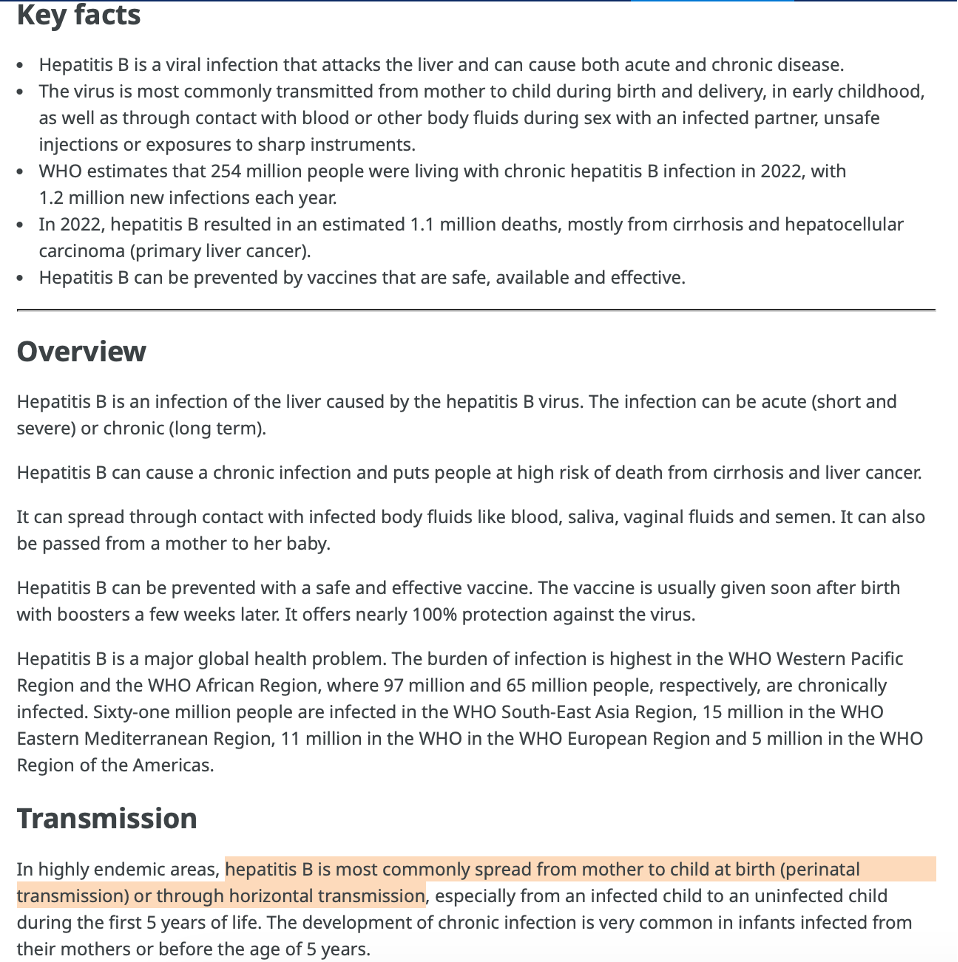
1. Hepatitis B is a viral infection that can cause chronic disease.
2. Hepatitis B is most commonly spread from mother to child at birth or through horizontal transmission.
Which of the statements above is or are correct?
A. 1 only
B. 2 only
C. Both 1 and 2
D. None of the above
Solution & Detailed Explanation
Answer: (C) Both 1 and 2
Detailed Explanation
Question 2
Polity | Parliament | Easy | The Hindu
SOURCE
Consider the following:
1. Private member bills if not passed results in the fall of the government.
2. A private member intending to introduce a bill must give at least one month’s notice of their intention.
Which of the statements above is or are correct?
A. 1 only
B. 2 only
C. Both 1 and 2
D. None of the above
Solution & Detailed Explanation
Answer: (B) 2 only
Detailed Explanation
- Notice Period: A private member intending to introduce a bill must give at least one month’s notice of their intention.
- Admissibility: The bill is examined for compliance with constitutional provisions and legislative competence by the Secretariat and, if necessary, the Speaker (Lok Sabha) or Chairman (Rajya Sabha).
- Introduction: Private Member Bills are introduced on Fridays, a day specially reserved for non-government business in both Houses.
- Consideration: Once introduced, the bill may be taken up for discussion and voting. It passes through the same stages as a government bill—introduction, consideration, and passage in both Houses—before being sent to the President for assent.
- Lapsing: If a Private Member Bill is pending in the Lok Sabha and the House is dissolved, the bill lapses. However, if it is introduced in the Rajya Sabha, it does not lapse with dissolution.
Question 3
Economy | Banking | Easy | The Hindu
SOURCE
Which of the following statements are true ?
1. Quantitative tools control the extent of money supply by changing the CRR.
2. There are two types of open market operations – outright and upright.
3. A fall in the bank rate can decrease the money supply.
4. Selling of a bond by RBI leads to reduction in the quantity of reserves.
5. The RBI can influence money supply by changing the rate at which it gives loans to the commercial banks.
Choose the correct answer from the options given below :
A. (1), (3) and (4) only
B. (1), (2) and (4) only
C. (2), (4) and (5) only
D. (1), (4) and (5) only
Solution & Detailed Explanation
Answer: (D) (1), (4) and (5) only
Detailed Explanation
- The RBI controls the money supply in the economy in various ways. The tools used by the Central bank to control money supply can be quantitative or qualitative.
- Quantitative tools control the extent of money supply by changing the CRR, bank rate or open market operations.
- Qualitative tools include persuasion by the Central bank in order to make commercial banks discourage or encourage lending which is done through moral suasion, margin requirement, etc.
- There are two types of open market operations: outright and repo. Outright open market operations are permanent in nature: when the central bank buys these securities (thus injecting money into the system), it is without any promise to sell them later. Similarly, when the central bank sells these securities (thus withdrawing money from the system), it is without any promise to buy them later. As a result, the injection/absorption of the money is of permanent nature. However, there is another type of operation in which when the central bank buys the security, this agreement of purchase also has specification about date and price of resale of this security. This type of agreement is called a repurchase agreement or repo.
- A fall in the bank rate makes the banks have more liquid cash and loans become cheap hence increase the money supply.
- Selling of a bond by the RBI leads to an increase in the quantity of reserves as RBI will receive payment for it.
Question 4
International Relations | Places in News | Medium | The Hindu
SOURCE
Consider the following:
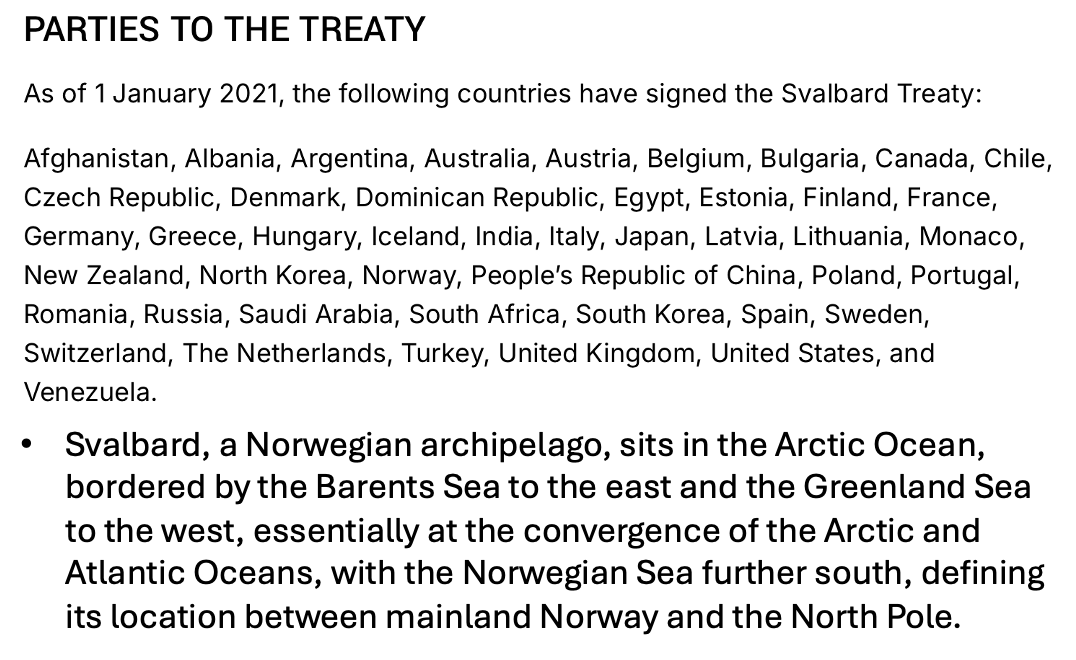
1. Svalbard island is bordered by the Barents Sea to the east and the Greenland Sea to the west.
2. India is not a signatory of the Svalbard treaty.
Which of the statements above is or are correct?
A. 1 only
B. 2 only
C. Both 1 and 2
D. None of the above
Solution & Detailed Explanation
Answer: (A) 1 only
Detailed Explanation